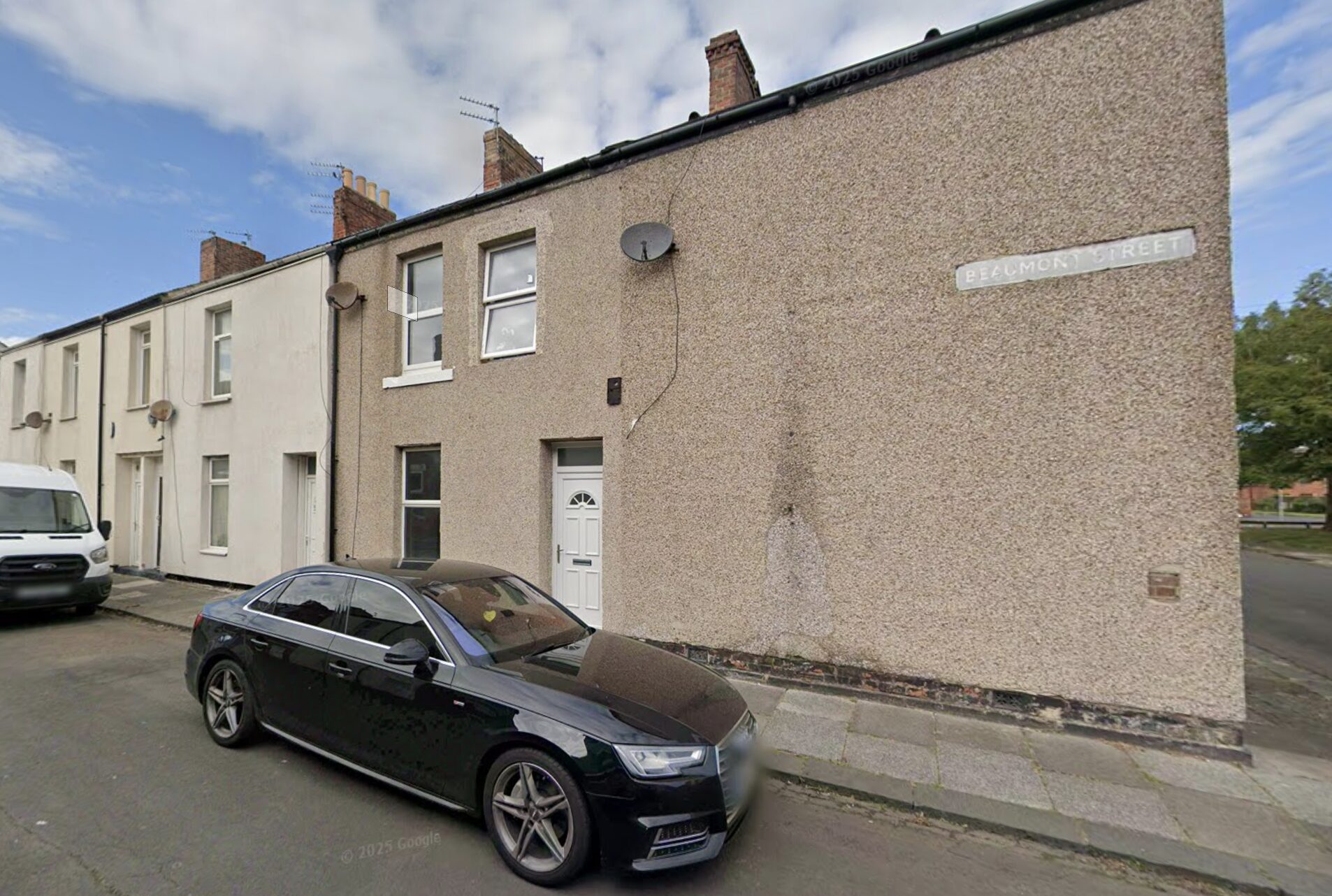
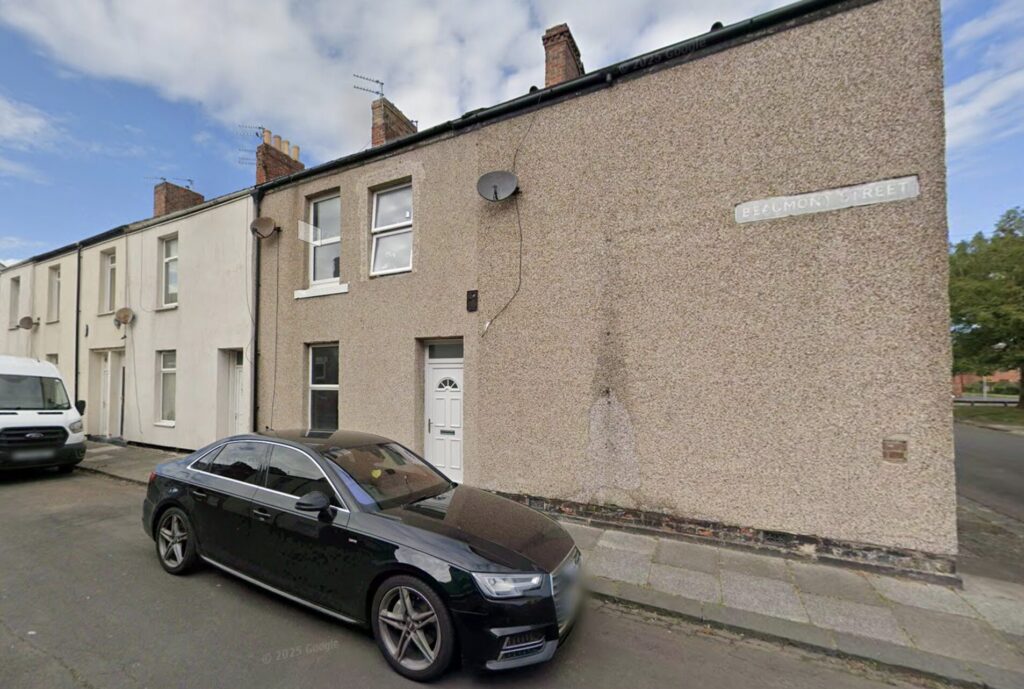
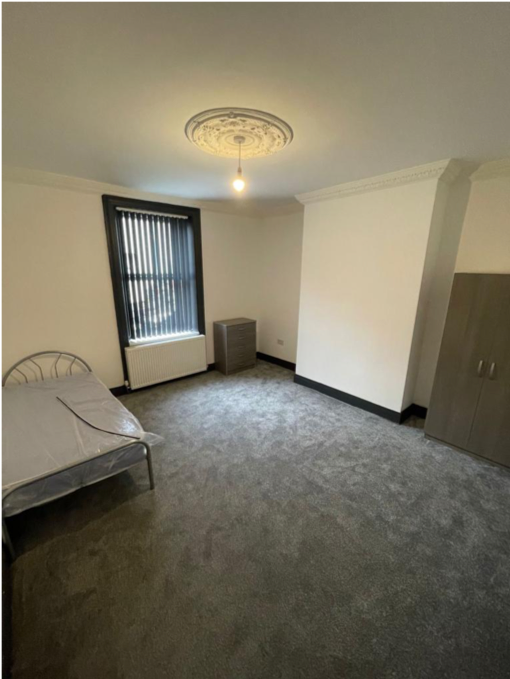
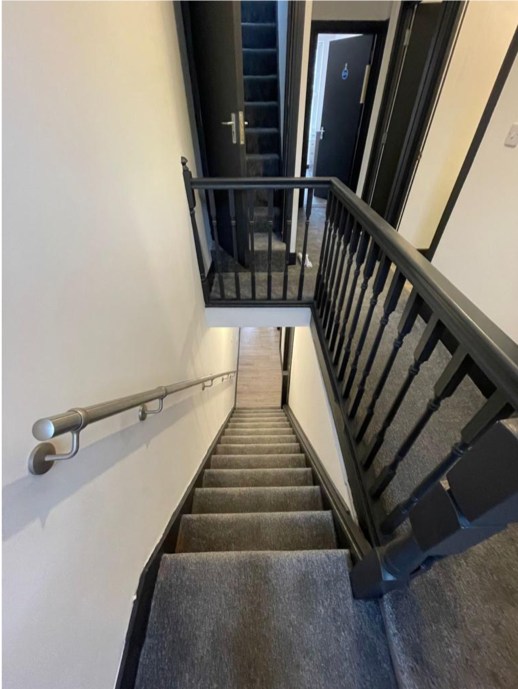
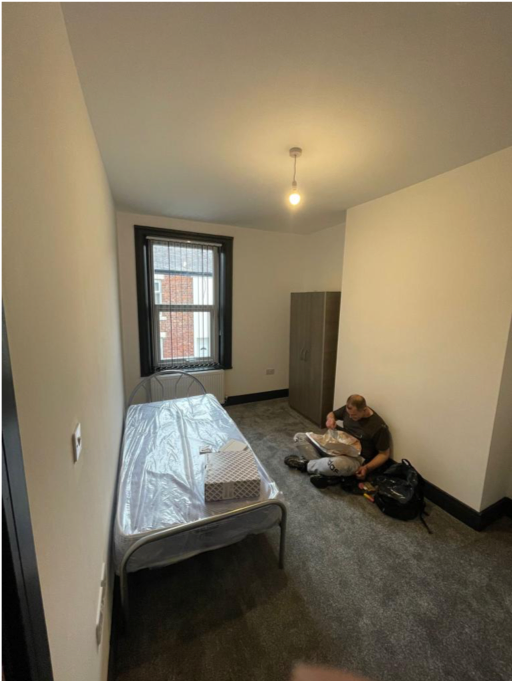
A fully converted 5-bed HMO operating under a social housing lease, with a continuous trading history since 2022. The case shows how an income-producing asset can be assessed through lease position, operational track record, known risk treatment and public-facing yield rather than speculative upside.
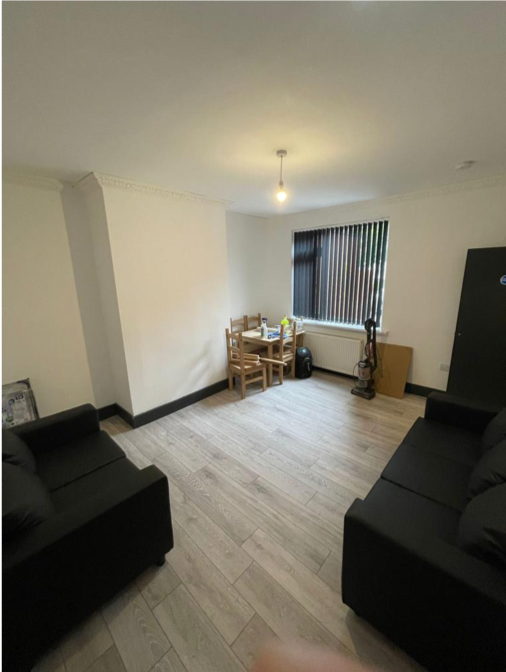
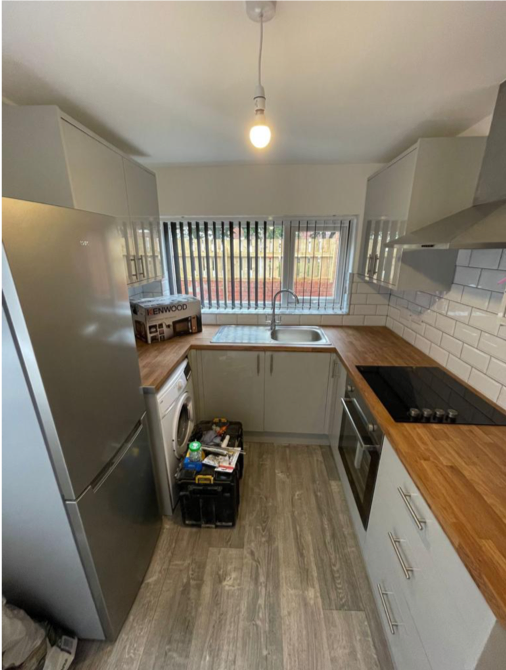
Beaumont Street was already refurbished, licensed and operating as a 5-bed HMO under a long-term social housing lease. The property had traded continuously since 2022, with lease renewal due in June 2027 and expected to move onto updated regional contract rates if renewed.
The problem
The opportunity needed to be presented as an operating income asset, not a development project. A historic building-control sign-off issue also needed to be explained clearly, without overstating the risk or hiding it from the buyer assessment.
What was done
Root Home framed the asset around its live income position, lease renewal timing, trading history and known compliance point. The building-control issue was positioned as a standard conveyancing matter, typically addressed by an indemnity policy and reflected in the pricing.
Project media
Delivery and works
Scope
No new works were required for the case-study position. The property had already gone through a comprehensive renovation programme and was being assessed as a revenue-generating going concern.
Execution
The asset had been refurbished, brought into use as a 5-bed HMO and operated under lease from 2022. Root Home’s role was to make the operating structure, renewal timing, compliance position and pricing rationale clear enough for buyer review.
Stabilisation
The property was fully licensed and had traded continuously without issue. The remaining legal/compliance point was known, priced and capable of being handled through the conveyancing process.
Financial outcome
Total cost
£140,440
Total capital deployed.
End value
Delivered value.
Profit or uplift
Operating leased HMO
Primary project result.
Yield
10.00%
Reported where relevant.
Programme
Operating since 2022; lease renewal due June 2027
Total programme.
Units delivered
5 rooms
Output delivered.
Result and impact
Operational result
The asset could be assessed as a live, income-producing social housing leased HMO with operational history, defined rent, known acquisition costs and a clear risk-treatment narrative.
Who benefits
A buyer seeking a standing income asset benefits from an established lease history, live operational performance and a transparent view of the remaining compliance consideration.
Why it matters
This case shows how a social housing leased asset can be judged on income, operational evidence and known risk treatment, rather than relying on refurbishment upside or speculative exit assumptions.
Lessons and strategic value
– Operational history can be more useful than speculative projections.
– Known legal or compliance points should be explained plainly and priced appropriately.
– Lease renewal timing should be made explicit.
– A live leased HMO needs to be assessed as an income asset, not a development project.
Discuss similar opportunities
Share your criteria and Root Home will come back with comparable routes, structures and live fit.